
Tehran, Oct 19: Iran has kept its proposed seven-day plan to reopen the strategically important Strait of Hormuz on the table, Foreign Minister Seyed Abbas Araghchi has said, adding that Tehran is reviewing Washington’s response to its conditions for ending hostilities and resuming negotiations.
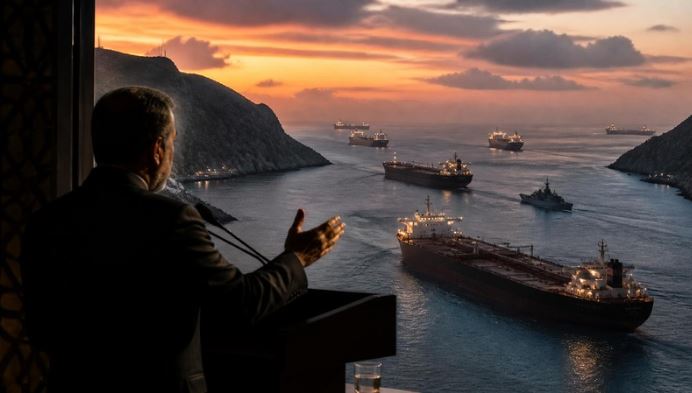
Representational Image
Araghchi made the remarks in an interview with Iran’s official news agency IRNA on the sidelines of the 52nd Session of the Council of Foreign Ministers of the Organisation of Islamic Cooperation (OIC) in Baghdad, Iraq.
According to a report by Xinhua News Agency, the Iranian foreign minister said Tehran had clearly communicated its conditions to the United States under the proposed plan. Washington has responded with its views, which Iran is currently examining.
Iran Sets Out Timeline for Reopening the Strait
Araghchi said the proposal remained available if the United States agreed to Iran’s stated conditions.
“If they (the United States) meet those conditions, the Strait of Hormuz will be reopened on the sixth day, and negotiations will resume on the seventh,” he said, reiterating Tehran’s proposed timeline.
He argued that Iran’s conditions were neither extraordinary nor unusual, claiming they reflected commitments the United States had previously accepted in a peace memorandum of understanding and during other negotiations.
However, the report did not provide the full text of the seven-day proposal or detail all the conditions attached to it. It also did not indicate whether Washington had accepted any part of the plan.
Tehran Signals Readiness for Diplomacy but Rejects Pressure
Araghchi maintained that Iran would not give in to threats and was prepared to defend itself. At the same time, he said Tehran remained open to diplomatic efforts.
His remarks suggest that the proposed reopening of the Strait of Hormuz is linked to broader negotiations over the cessation of hostilities and the conditions for restarting talks between Iran and the United States.
The waterway is a critical route for global energy shipments, making any disruption or reopening arrangement a matter of international economic and security concern.
Trump Claims US Operations Have Crippled Iran’s Nuclear Capability
Meanwhile, US President Donald Trump has defended American military operations against Iran, claiming that the campaign destroyed the country’s nuclear weapons capability and that Washington would prevent Tehran from rebuilding it.
Speaking at a Republican election rally at Truist Arena at Northern Kentucky University on Saturday, Trump described the threat of a nuclear-armed Iran as a key reason for US intervention.
“They cannot have a nuclear weapon. They can’t because they’ll use it,” Trump told supporters.
He also said the United States had struck Iranian nuclear infrastructure and was taking steps to ensure the programme could not be revived.
“We have to make sure it doesn’t come back,” he said, referring to instructions he had given senior administration officials during the operation.
Trump’s statements represent the US administration’s position on the outcome of the military campaign. The claims should be distinguished from independently verified assessments of the current status of Iran’s nuclear programme.
Diplomatic Path Remains Uncertain
Iran’s decision to keep the seven-day proposal available comes as Tehran reviews the US response and continues to maintain that an agreement must meet its conditions.
Whether the two sides can reach an understanding remains unclear. The available report does not establish that an agreement has been reached or that a confirmed timetable for reopening the Strait of Hormuz is in place.
For now, the proposed sequence—reopening the waterway on the sixth day and restarting negotiations on the seventh—remains conditional on Washington meeting Tehran’s demands.