
By Samer Hasn, Senior Market Analyst at XS.com
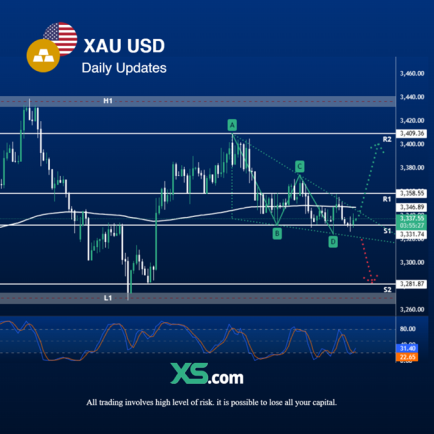
Gold has retreated to $4600 / oz after its record peak of $4643 / oz yesterday in spot trading, marking a necessary 0.5% correction in an overheated rally.
The correction in gold prices followed an extended rally that began at the start of this year. Mixed narratives regarding the potential for war in Iran have contributed to market volatility.
Gold’s earlier surge was driven by increasing geopolitical risks in the Middle East and a disappointing start to the earnings season, highlighted by negative surprises from major banks.
This occurred simultaneously with significantly low fear sentiment in the Treasury market, where the MOVE index is close to its 2021 low, and real yields for 10-year Treasuries are near their highest levels since August. Gold surge might be no longer significantly influenced by the yield curve.
JPMorgan’s recent earnings report acted as a reality check for those betting on a flawless economic expansion. As reported by the WSJ, the 7% slide in profit was largely influenced by the Apple Card acquisition and a surprising shortfall in investment banking fees. Jamie Dimon remains optimistic about the resilient consumer, yet his warning that we must deal with the world as it is, not as we want it to be, serves as a grounded reminder of the “huge” geopolitical risks ahead.
The market’s reaction to President Trump’s proposed 10% credit card rate cap was swift and punishing for bank stocks. Wall Street understands that such a populist move would likely lead to a massive contraction in credit availability for the most vulnerable borrowers. JPMorgan’s Jeremy Barnum indicated that the bank would have to put all options on the table if this cap is enacted, essentially signaling a defensive posture that could stifle consumer spending.
Beyond the regulatory noise, the banking sector continues to report a consumer base that is remarkably stable. Executives from Bank of America and Citigroup highlighted that delinquencies remain low and spending remains healthy despite the shadow of inflation and tariffs.
This resilience provides a cushion for the economy, even as the administration attempts to force affordability in the housing market through aggressive interventions in the mortgage bond market.
Geopolitics remains the wild card that could derail this stability at any moment. While President Trump has softened his rhetoric by claiming that Iranian executions have paused, the U.S. military’s decision to evacuate personnel from Qatar suggests a much higher level of internal concern.
Traders are weighing these mixed signals against the reality of a lightened U.S. naval presence in the Middle East, which complicates any potential military escalation.
According to reports from the New York Times, the most significant restraint on U.S. military action might actually be our own Gulf allies. These nations are prioritizing their roles as global trade hubs and fear that a regime collapse in Iran would create a power vacuum benefiting Israel more than the region. They are lobbying for diplomacy because they know that bombing Iran is a calculation that simply doesn’t pay off in the current economic environment.
These combined might signal an ongoing last-minute negotiation of key files – Pretty sure Trump doesn’t care about people there. If negotiation failed, while in the new war Iran might fight for its existence, so it is not ruled out to witness worst case scenario of all-out regional war.