
New Delhi, Aug 6: The latest Ipsos What Worries the World July 2026 survey reveals a striking contrast between public sentiment in Asia and the rest of the world. Singapore , Malaysia and India emerge as the three most optimistic nations globally, with citizens believing their country is moving in the right direction.
This confidence stands in sharp contrast to the global picture. Across 30 markets surveyed, just 38% of citizens, on average, believe their country is headed in the right direction, highlighting a widespread sense of uncertainty about the future.
Notably, only 6 of the 30 markets record a majority positive outlook on the direction of their country. Alongside Singapore, Malaysia and India, the other markets where optimism outweighs pessimism are Hungary, Thailand and South Korea.
The findings underscore a growing divergence in public sentiment worldwide. While many countries grapple with economic pressures, political uncertainty and social challenges, citizens in Singapore, Malaysia and India continue to express comparatively stronger confidence in their nation’s trajectory. The results suggest that perceptions of progress, stability and opportunity are shaping a more positive national outlook in these markets.
For most of the world, however, the mood remains cautious. Most citizens across the remaining markets believe their country is on the wrong track, reflecting persistent concerns about the economic, political and social issues influencing everyday life.
Interestingly, Economic Confidence remains high in India, with 3 in 4 citizens saying the economy is in good shape.
Announcing its Monetary Policy on August 5th, the Reserve Bank of India has projected GDP growth to 6.7 percent in this fiscal year. The RBI Governor Sanjay Malhotra has said that country’s economic growth continues to be supported by resilient demand and it remains world’s fastest growing large economy. He said, country’s economy has performed better than expected in April-June quarter of this fiscal year.
Mr. Malhotra said, economy had performed better than expected during the first quarter of the financial year, prompting the central bank to revise its real GDP growth projection for 2026-27 to 6.7 per cent. The RBI Governor said, West Asia conflict continues to challenge global economy by disrupting key trade routes.
RBI struck an optimistic note on the domestic economy, raising its growth projection for 2026-27 while lowering its inflation forecast, saying robust exports, steady investment activity and easing supply-side disruptions have strengthened the macroeconomic
outlook despite persistent global uncertainties.
On the external front, the RBI said foreign direct investment inflows remained robust while foreign portfolio investment has witnessed a turnaround in recent months. The Governor said, country’s foreign exchange reserves remain comfortable at nearly 693 billion US dollars, providing import cover of more than ten months.
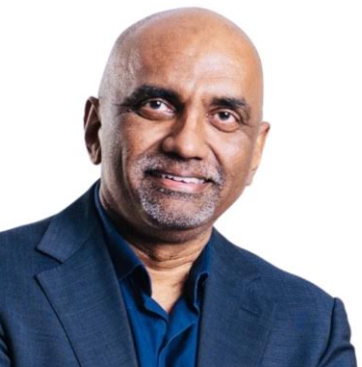
Commenting on the findings of the report, Suresh Ramalingam, CEO, Ipsos India stated,
“India’s position among the world’s most optimistic countries is rooted in a broad sense of stability and resilience. Despite a period marked by global economic volatility, geopolitical tensions and supply-chain disruptions, India has navigated these challenges with confidence, ensuring limited disruption to the lives and livelihoods of its citizens. As food inflation eases and economic fundamentals remain strong, Indians appear increasingly confident that the country is well-positioned to sustain its progress and capitalize on future opportunities.”
What Worries Indians
Unemployment continues to rank as the nation’s top concern, reinforcing the central role of job creation in translating economic growth into broad-based prosperity. Encouragingly, inflation has fallen down the list of public worries, suggesting that easing price pressures are being felt by citizens. Beyond economic concerns, corruption and education feature prominently, indicating that Indians are looking not only for growth, but also for improvements in governance, opportunity and social mobility.
“The findings reveal an interesting duality in public sentiment. While Indians are among the most optimistic globally about the direction of the country and the state of the economy, they remain clear-eyed about the challenges that need attention. The continued prominence of unemployment as the country’s top concern highlights the expectation that economic growth must translate into meaningful job opportunities. At the same time, the decline in inflation as a major worry suggests that citizens are feeling greater stability in their day-to-day lives. The prominence of corruption and education among the top concerns also points to a broader aspiration: Indians are seeking not just economic progress, but inclusive development built on good governance, transparency and access to opportunity,” added Ramalingam.