
Everyone asks how far an electric scooter can go. E-Went wants riders to ask how long its battery can keep doing it. For years, EV buyers have been trained to look at one number:
RANGE. – 100 km. 120 km. 150 km. More.
But what if that isn’t the number you should be obsessed with? Because a battery that delivers impressive range when new is only half the story. The bigger question is what happens after hundreds of charging cycles, thousands of kilometres and years of Indian heat, rain, dust and potholes.
That is where E-Went is trying to change the conversation.
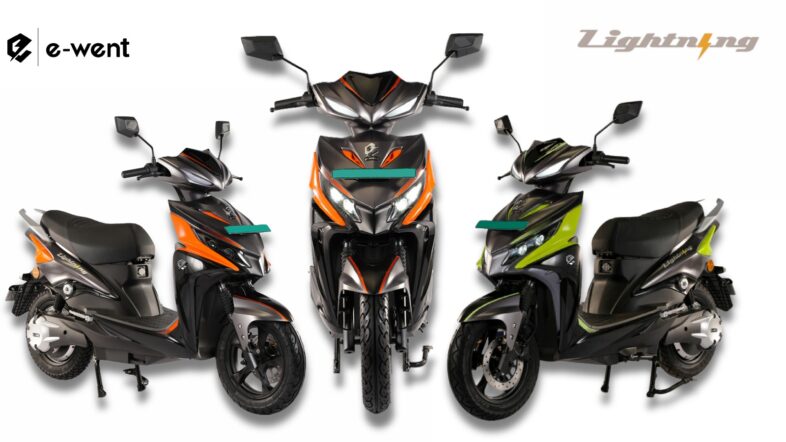
THE NEW BATTERY BATTLE: 1,300 CYCLES
E-Went’s 2.5 kWh battery is rated for 1,300 charge cycles and comes with a 4-year or 55,000 km warranty, while its 1.8 kWh battery is rated for 1,100 cycles with a 3-year or 45,000 km warranty. The applicable warranty ends when the first stated milestone is reached.
Why does that matter? Because range tells you what an EV can potentially do today. Charge cycles start telling you about what it is designed to withstand over time. And that could be a far more important number for anyone planning to keep their scooter for years.
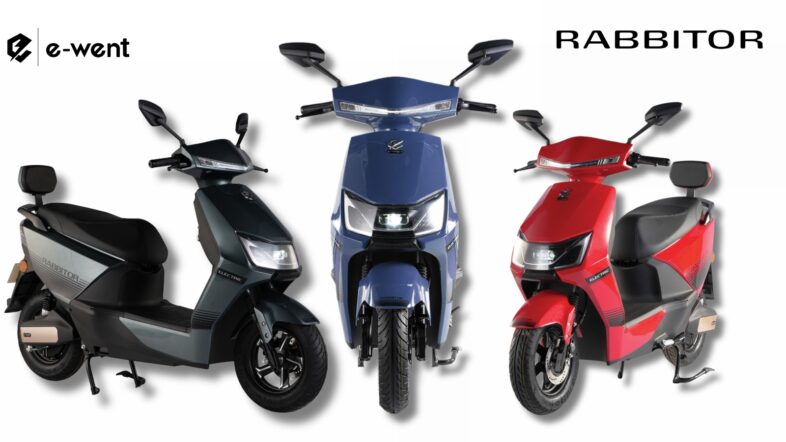
THE BATTERY HAS A BRAIN
E-Went’s battery system isn’t simply a box storing electricity. Its Smart Battery Management System (BMS) continuously monitors battery health, with protection against overcharging, deep discharge, cell imbalance, overheating, short circuits and voltage fluctuations. Bluetooth-enabled diagnostics allow battery and cell status to be checked through software without dismantling the scooter. Think of it as a silent bodyguard working every time the scooter is switched on. And underneath that intelligence are premium Lithium Cells designed for energy density, thermal stability and consistent power delivery.
THEN COMES INDIA’S BIGGEST TEST
Heat. Monsoon. Waterlogging. Dust. Potholes. Vibration. An EV battery doesn’t get to live in laboratory conditions once it reaches an Indian road.
E-Went’s battery systems use IP67-rated protection, high temperature resistance connectors and specialised fire-resistant housing, with the battery architecture designed around the environmental and physical stresses of Indian conditions.
That’s an important shift in thinking: Don’t build for perfect roads. Build for the roads people actually ride.
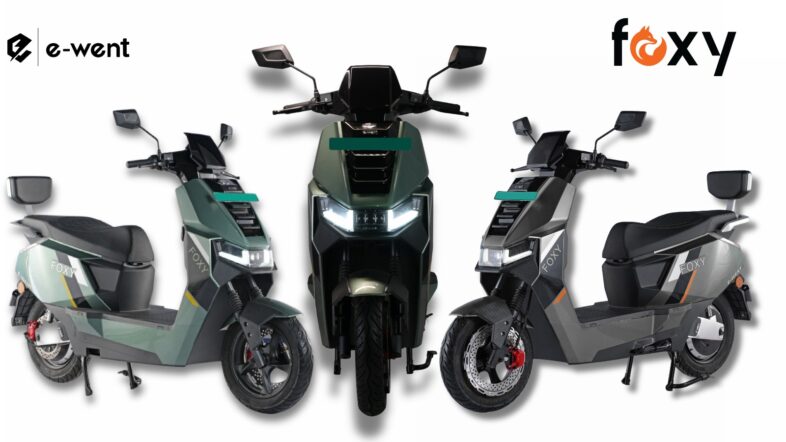
AND THE CLAIM HAS SOME NUMBERS BEHIND IT
E-Went says its warranty claim rate has remained below 1.5% over three years, even as more than 20,000 vehicles have taken to Indian roads.
Its vehicles are also tested and certified by ICAT and CIRT under ISO compliance. The company has also built a network of 250+ dealers across seven states, supported by manufacturing facilities in Kolkata. So the bigger story isn’t really about a battery. It is about what happens after the showroom photograph.
RANGE GETS THE HEADLINE. RELIABILITY EARNS THE TRUST.
The EV industry may continue fighting over who can put the biggest range number on a brochure. But perhaps consumers should start asking different questions: How many charge cycles? What protects the battery? How does it handle Indian conditions? What happens when something goes wrong? And how will it perform years from now?
Because more range is impressive. More dependable range is smarter. And that may be the battery story India’s EV market needs to start talking about.
E-WENT – SMARTNESS KA SWITCH ON.
Ready to test the difference?
Visit e-went.com, book a test ride, or use the EMI and savings calculators to see
what switching could mean for your pocket.