
LONDON, Nov 24 – AVILOO, the global leader in EV battery diagnostics, has found that more than half of people interested in buying an electric car don’t know a used EV battery can be tested – even though the battery is what worries them most. Dealers, meanwhile, are already putting battery certificates on many of the EVs they sell. The AVILOO Used EV Trust Study surveyed 837 EV-interested consumers and 443 car dealers, leasing firms and auction houses across eight markets in Europe and the United States.
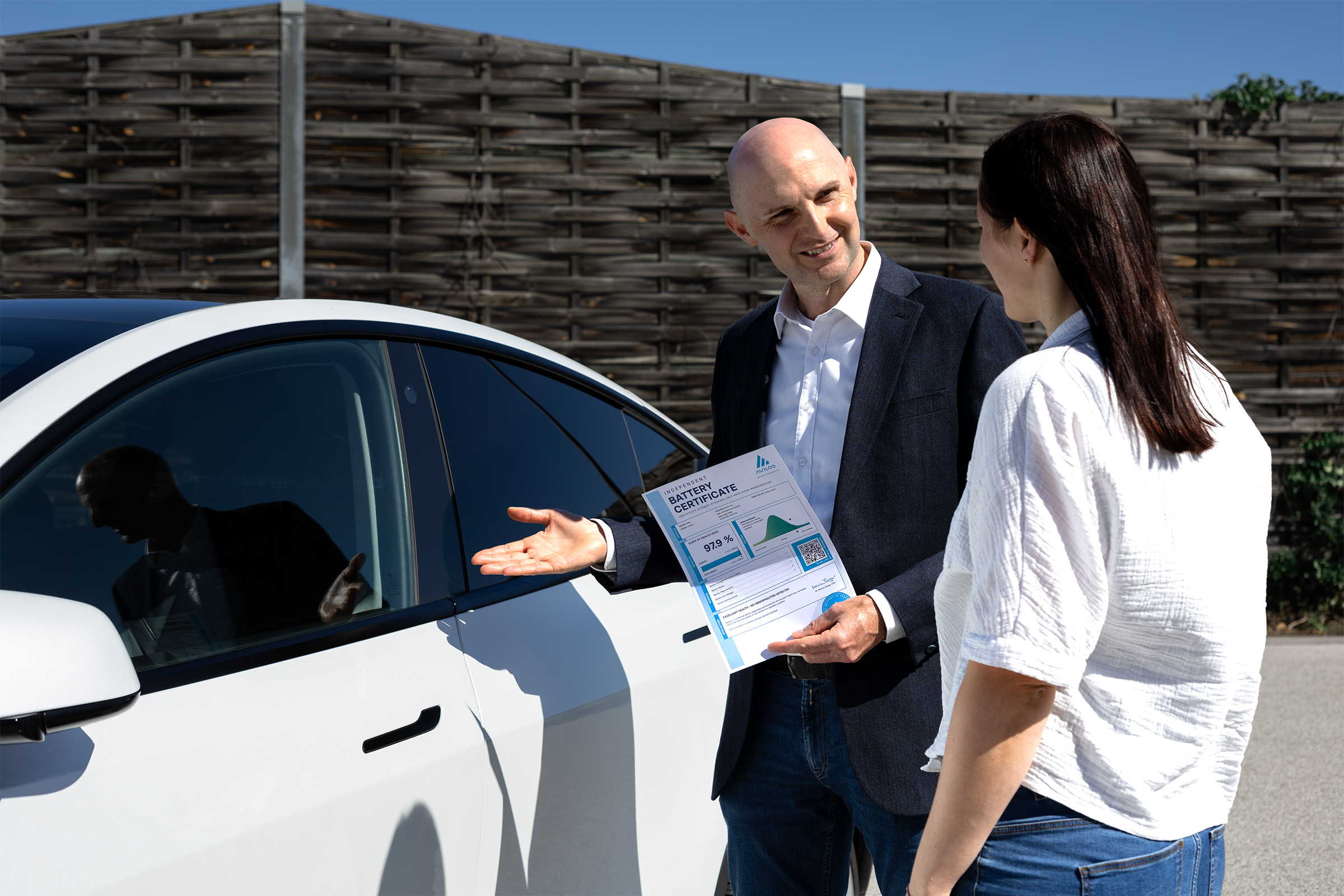
Across Europe and the US Buyers want a battery check, but more than half don’t know it exists
The consumers surveyed are not average car buyers: more than two in five (43.5%) have owned or driven an electric or plug-in hybrid car. Yet more than half (50.7%) didn’t know, before the survey, that an EV battery can be tested for its health and expected lifespan. Awareness was highest in the US, where around six in ten (60.8%) knew.
But once the option is put to them, they want it. All the consumers surveyed – including those who didn’t know testing existed – were asked to rate how relevant different topics are in the used EV market, on a scale of 1 (not at all relevant) to 5 (very relevant). A reliable battery health check came joint top, at 4.4, alongside battery warranties. In other words, the thing consumers rate as most relevant is something more than half of them didn’t know was available.
Dealers are certifying – buyers don’t know to ask
On the other side of the deal, almost half (48.1%) of the businesses surveyed that sell used EVs say three-quarters or more of them already come with a battery certificate.
Buyers and sellers agree on where the risk lies. Consumers and businesses both say the battery is seen as the biggest risk when buying a used EV, and businesses agree that a battery certificate builds buyer confidence and helps sell used EVs faster.
Battery doubts, not dislike of green technology
Buyers’ hesitation is practical rather than ideological. Asked to rate barriers to buying a used EV on a scale of 1 (not a barrier) to 5 (a major barrier), consumers put uncertainty about battery health and worries about future repair or replacement costs at the top (both 4.1). General dislike of green technology comes bottom, at 1.9.
Battery doubts also put pressure on prices: consumers agree that uncertainty about the battery would make them demand a lower price (4.2 out of 5), and dealers say it often leads to tougher negotiations.
UK: dealers are certifying, buyers don’t know to ask
UK dealers already put battery certificates on most of the used EVs they sell.
The 53 UK businesses surveyed that sell used EVs say that, on average, over two-thirds (68.5%) of them come with a battery certificate.
Yet more than half (53.9%) of the 102 UK consumers surveyed didn’t know, before the survey, that an EV battery can be tested.
The findings come as UK EV industry groups call for battery health certificates to become mandatory for used EVs.
Marcus Berger, CEO of AVILOO, said: “With a used petrol car, age and mileage tell you a lot. With a used EV, they tell you almost nothing about the battery – and the battery is the most valuable part of the car. Our study shows that more than half of the people interested in electric cars don’t know a battery can be tested, even though a reliable battery check is exactly what they want. Our tests draw on the world’s largest battery database, so results rest on independent measurement rather than on what the car reports about itself. And we stand behind our analysis with the AVILOO Battery Warranty.”